
By Moony, aka Kevin
Old Men Talking Sh*t Podcast
There comes a point when a calendar can look full but life still feels a little thin. You have errands, family, work, appointments and plenty of things to do. What can be missing is a place where people know your name, where someone notices when you have been away, or where you can lend a hand without making a big production of it.
That is what a real community can give you. It is not a club with a secret handshake, and it does not require you to become the most outgoing person in the room. It starts with showing up around something that matters to you. Add one small way of helping other people, and you get something even better: a reason to come back.
Community is built in the ordinary moments
Most of us do not find our people by making a dramatic announcement. We find them at a coffee table, a local show, a walking group, a fundraiser or the same Saturday breakfast spot. The first visit may be nothing more than a few good conversations. The second visit is where somebody remembers what you said last time. Before long, you have a familiar face in your week.
That familiarity matters because it lowers the pressure. You do not have to perform, impress anyone or arrive with a clever story. You can be the person who asks how the fishing trip went, helps stack chairs after an event or sends a quick message when somebody has had a rough week. Those small moments are what turn a group of strangers into people who look out for each other.
Start with something you would enjoy anyway
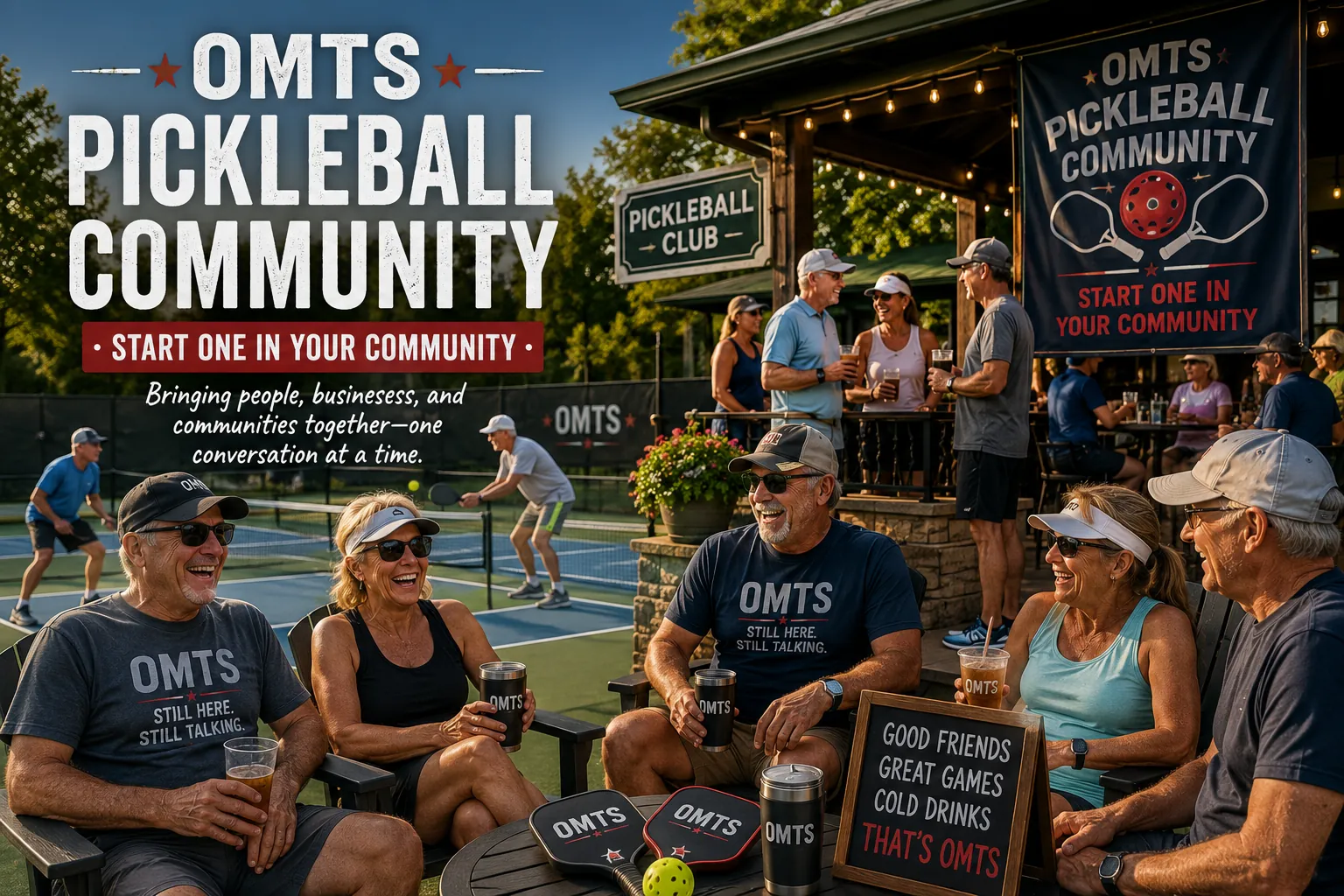
The easiest way into a community is through an interest you already have. If you like live music, start there. If you would rather talk cars, play pickleball, walk in the morning, fish, cook, volunteer or sit with a coffee, that counts too. Shared activity gives people an honest reason to start talking, and it makes the next invitation simple.
Do not worry about finding the perfect group. Look for a place that feels easy enough to try twice. A group may be quiet on one night and lively on the next. You may connect with one person before you feel connected to the whole room. The goal is not to walk in and instantly feel at home. The goal is to give belonging a chance to grow.
Giving back gives connection a little more weight
Helping other people is not only about writing a check or committing every weekend to a major cause. It can be practical: bring food to a drive, help a neighbor with a job they cannot do alone, share a local fundraiser, volunteer an afternoon or introduce a good person to a useful opportunity. The help does not have to be grand to matter.
There is something honest about working alongside people. Conversation comes easier when your hands are busy. You learn who shows up, who can make you laugh when the work is tedious and who notices the person standing off to the side. A shared purpose takes the awkwardness out of meeting people because nobody has to pretend they are there just to make friends.
The latest AmeriCorps civic-life research found that 75.7 million Americans volunteered through an organisation in 2023, while more than 137 million people helped neighbors informally. That is a useful reminder that community service is not reserved for experts. It is already happening whenever people make room for one another.
Do not wait until you have more time
It is easy to tell yourself you will join something once life settles down. The truth is, life has a habit of finding another appointment, another project and another reason to stay home. Waiting for a perfectly empty week can leave you waiting a long time.
Instead, choose a commitment that fits the life you already have. One monthly gathering is enough. One volunteer shift every few months is enough. One regular phone call with a neighbor can be enough. Small commitments are easier to keep, and kept commitments are what create trust. People come to know you as someone who means it when they say they will be there.
Let your skills be useful
Every community has work that needs doing. Sometimes it needs someone who can organize, cook, fix a speaker, make a phone call, drive a friend, welcome newcomers or simply keep a room from getting too serious. You do not need a title to contribute. You only need to notice what would help and offer what you can.
That is especially true later in life, when experience has a way of becoming useful in unexpected places. The patience you learned at work, the lessons you picked up raising a family, the way you can talk to people from different walks of life, all of it can make somebody else feel more comfortable. Giving back is often less about having extra resources and more about making good use of the person you already are.
Make the invitation smaller
A lot of people would join a group or help a cause if the first step did not feel so big. You can make it easier for yourself and for someone else. Instead of saying, “We should get together sometime,” invite a person to one clear thing: coffee after a gathering, a local music night, a charity event or a morning walk.
If you already belong somewhere, look for the person who arrived alone. Introduce yourself. Offer a seat. Explain what is happening. You do not have to be the official host to make a room feel more welcoming. A simple invitation can become the reason someone returns, and their return can make the whole group stronger.
Give without keeping score
The best kind of giving back does not turn into a scoreboard. Nobody needs to know how busy you are, how much you did or whether your good deed was bigger than someone else's. Help where you can, accept help when you need it and let people do the same. That balance keeps a community human.
It also protects you from burnout. If one cause or group asks more than you can give, it is fine to set a boundary or choose a smaller role. Communities last when people are able to participate for the long run. Steady, realistic effort does more good than a burst of enthusiasm followed by exhaustion.
Choose a place where the work feels real
There are plenty of good causes in the world, but you do not have to carry every one of them. Start with something close enough to see. Maybe it is a food drive that helps families in your town, a veterans' group, a music fundraiser, a neighborhood cleanup or an organisation that supports people through a difficult season. When you can see the people, the place and the practical need, it is easier to understand where your time goes.
You do not need to agree with every detail of a group before you help. You only need to find a purpose you can stand behind and people you feel good working alongside. Ask a simple question before you commit: what does this group need most right now? The answer may be as straightforward as a few extra hands at an event, someone to make a phone call or a person willing to welcome newcomers.
Pay attention to how a group treats people. The right community does not make you feel guilty for having limits or pressure you to give more than you can. It makes room for different kinds of contribution. One person brings energy, another brings experience, another brings a truck, a tool or a good cup of coffee. All of it counts.
Turn one good evening into a habit
After a good gathering, do not leave the next step to chance. Write down the next date. Send a message to the person you met. Offer to help with one small part of the next event. The point is not to become indispensable overnight. It is to make returning feel normal instead of making each visit a fresh decision.
Small rituals are useful here. Maybe you meet someone for breakfast before a volunteer shift. Maybe you stay ten extra minutes after a music night to help put things away. Maybe you call the same neighbor before a community meeting to make sure they are coming. Those habits create connection because they give people a predictable place in one another's lives.
And when you miss a week, go back anyway. Many people give up on a group because they feel awkward after being away. Most communities are glad to see a familiar face return. A simple “I've been busy, but I wanted to get back here” is enough. Belonging is not something you earn once. It is something you keep building through ordinary returns.
Let other people give back to you, too
Community is not a one-way street. It can be tempting to become the helper, the organizer or the person who always says yes, especially when that role feels comfortable. But letting someone else carry a box, make you laugh, offer a ride or check in when you are having a tough week is part of the deal too. It gives them the chance to be useful, and it reminds you that you do not have to do everything alone.
That mutual give-and-take is where community becomes more than a project. It becomes a network of people who are allowed to need one another. Some days you will be the one extending the invitation. Other days you will be the person grateful that somebody else remembered to ask. Both sides matter.
A good place to begin is close to home: choose one gathering, one cause or one person who could use a little company this month. Put it on the calendar, tell someone you are going and let the next small step reveal itself when you get there, without overthinking it or waiting for perfect timing.
Where OMTS fits in
OMTS is built for the conversations and shared experiences that bring people closer. The Community Network is a place to find ideas for gathering around the things you enjoy. Old Man Music gives you another reason to get out and meet people who care about the same songs and stories.
Giving back is part of that picture too. OMTS Fans Care shines a light on organisations doing meaningful work, while the Trusted Businesses directory highlights community-minded places worth knowing. Pick one path that feels like you, then take the first small step.
Frequently asked questions
How do I join a community when I do not know anyone?
Start with one group built around something you already enjoy, then give it more than one visit. A familiar face becomes a conversation much faster when people see you again. You do not need to arrive with a friend or a perfect introduction.
What are simple ways to give back locally?
Help at a food drive, support a fundraiser, volunteer one afternoon, share a useful recommendation, check in on a neighbor or lend your skills to a group that needs them. The best choice is one you can realistically keep doing.
Can volunteering help me meet people?
Yes. A shared task gives people something useful to do together, which takes the pressure off small talk. The relationships usually grow through repeated shifts, familiar faces and the simple habit of showing up.
Do I need a lot of free time to be part of a community?
No. Regularity matters more than a huge commitment. One coffee group, one music night, one volunteer shift or one monthly event can be enough to create a real connection to the people around you.