
By Musk — Host, Old Men Talking Sh*t Podcast
Here is the short answer: support local businesses because the right ones make a community work better. They are the place that remembers what you ordered, the shop that helps you solve a problem instead of pointing you toward aisle 14, and the owner who knows which local charity needs a hand this weekend.
That does not mean you have to spend more money than you have or turn every errand into a civic duty. Nobody needs another lecture before breakfast. It means paying attention to the businesses that are already doing right by you, then choosing them when the fit is good. A return visit, a genuine recommendation or an honest review can have more weight than people realize.
Local businesses keep useful choices close to home
The small business down the road might be a restaurant, radio station, repair shop, market, barber, music venue, travel adviser or a person who finally explains why your Wi-Fi keeps acting like it has a mind of its own. The common thread is simple: local owners are close enough to hear what their customers need and adapt to it.
That variety matters. When every choice turns into the same giant chain with the same menu, the same shelf and the same recorded phone tree, a town gets less useful. A healthy mix of independent businesses gives people more ways to solve everyday problems and more reasons to stay close to home once in a while.
Small businesses are not a side show in the American economy. TheU.S. Small Business Administration reports that small businesses make up 99.9% of U.S. businesses and employ 62.3 million people. Big numbers are useful, but the everyday version is easier to see: it is the familiar place that stays open, hires a neighbor or gives a young person a first job.
Good service has a human side
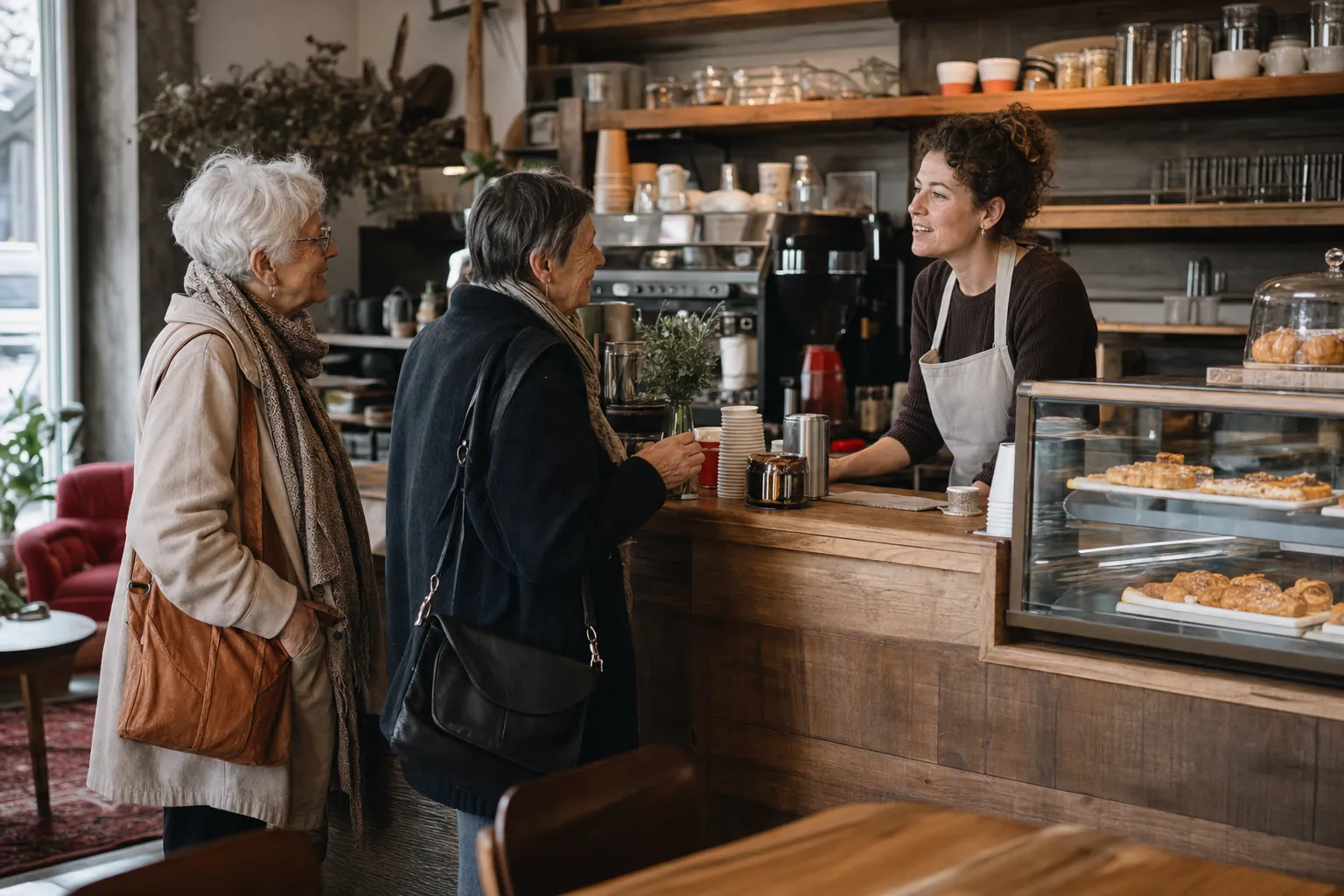
There is a difference between being processed and being helped. Sometimes a big company does exactly what you need, quickly and at a good price. Fair enough. But when a local business earns your trust, there is usually a person on the other side of the counter who has something at stake in getting it right.
That can mean a little more patience, better advice or simply the feeling that your question was not a nuisance. It can also mean accountability. If something goes wrong, you know where to find the owner or manager. They know their reputation is built one real interaction at a time.
This is especially valuable for people who are tired of being rushed, talked down to or handed a help number that leads to another help number. Personal service is not old-fashioned. It is useful. And it is one reason a place becomes part of someone's weekly routine instead of a one-time stop.
Every recommendation carries a little trust with it
Most people do not need a flashy advertisement to try a local place. They need a real reason from somebody they believe. “They fixed my problem.” “They were straight with me.” “The food is worth the drive.” “They made it easy.” That is the sort of recommendation people remember.
A good review works the same way when it is specific. Instead of writing “great place,” say what happened. Did someone take the time to explain your options? Did they make a difficult task less stressful? Did the band at the venue give you a reason to stay out longer than planned? Those details help the next person decide whether the business is right for them.

You can support local without blowing up your budget
Supporting local should be practical, not performative. You do not have to buy things you do not need or pretend every local option is perfect. Budget, convenience and quality still count. The point is to give good local businesses a fair chance when they meet the need in front of you.
Start with the easy wins. Buy lunch from a place you already like. Use the neighborhood hardware store when you need actual advice, not just a barcode. Book the local professional who showed up on time. Choose the market where you know the staff. Then come back when the experience was good.
The American Independent Business Alliance explains the local multiplier effect as the way dollars spent with local businesses can recirculate through local wages, suppliers and community spending. No one purchase saves a town. But repeated good choices give the people doing useful work a better chance to keep doing it.
Local places are where community has somewhere to happen
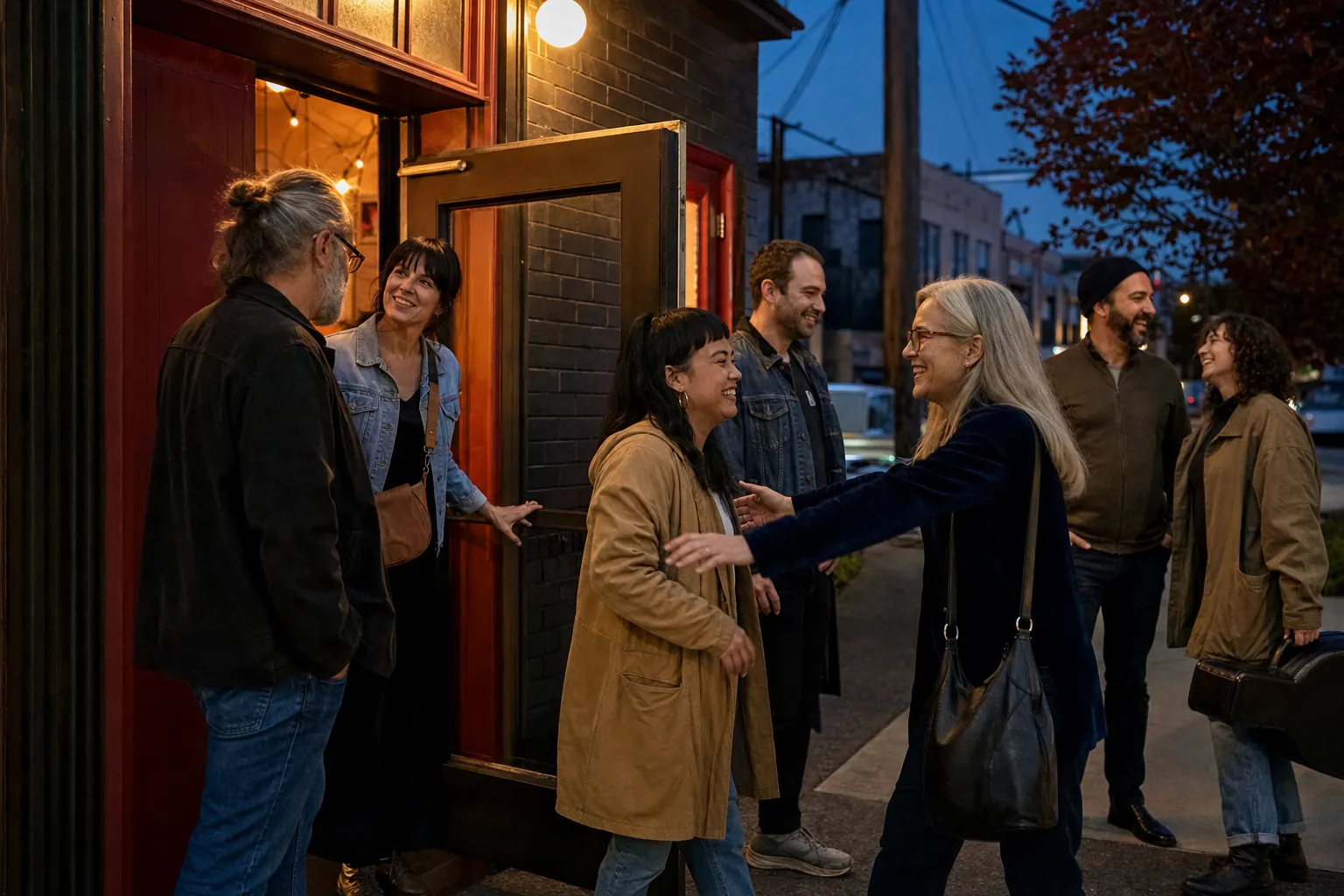
Communities need places where people can run into each other on purpose. A coffee shop, market, neighborhood restaurant, local radio station or music room can be more than a transaction. It can be the place where somebody hears about a job, a show, a fundraiser or a new friend.
That is why OMTS talks so much about music, businesses and conversation in the same breath. The best local places create stories. You meet someone at a show, hear about a business that treated a friend well, then find yourself back in the same room next month. That is how a place starts feeling like home.
What good local businesses need from customers
Most local owners are not asking for blind loyalty. They know people have choices, tight schedules and bills that do not care about good intentions. What helps is straightforward: show up when the business does good work, tell people about it when the experience deserves it and give honest feedback when something misses the mark.
The same rule applies to customers. You deserve clear prices, decent communication and people who respect your time. Supporting local does not mean accepting bad service with a smile and a shrug. It means giving a good business the chance to make things right before writing it off, especially when a simple conversation could solve the problem.
That back-and-forth is one of the advantages of dealing with people who live and work in the community. A local owner can hear a complaint, fix a mix-up and remember the lesson next week. A customer can decide whether the response felt fair. That is how trust is built, not with a giant promise, but by handling the small stuff well. It is a simple way to keep good places in the mix.
Supporting local is not an all-or-nothing contest
Nobody is handing out medals for buying every roll of paper towels from the corner store. Some things are easier, cheaper or only available somewhere else. Life is busy. The better question is: where can a local choice make sense for me this week?
Maybe it is breakfast with a friend, a gift from a local maker, a repair you need done right or tickets to a small-room show. Maybe it is choosing the person who answered your questions clearly instead of the one who treated you like a tracking number. Small, repeatable decisions are more realistic than a dramatic pledge, and they tend to last longer.
You can also support local in the parts of life that cost nothing: answer when a friend asks for a recommendation, share a business event that actually interests you, or thank the owner who handled a problem well. Those habits make it easier for good places to be found by the people already looking for them.
Five simple ways to help a good local business
- Go back when the experience was good. A return customer is more useful than a vague promise to visit someday.
- Tell one person why you liked it. A specific, personal recommendation beats a generic sales pitch every time.
- Leave an honest review. Mention the service, product or moment that made the visit worthwhile.
- Show up for something besides a purchase. Share an event, bring a friend to a local music night or support a fundraiser the business is backing.
- Give useful feedback directly. If you want a good place to improve, tell them what worked and what did not. Most local owners would rather hear it from you than lose the chance to make it right.
Where OMTS fits in
OMTS is built around the people and places worth talking about. Our Trusted Businesses directory is a starting point for finding businesses in the community that have chosen to be part of the conversation. You can also see what a community-minded local market looks like in the Cornucopia Market profile.
Are you a business owner who values real relationships over shouting into the void? The OMTS Founding 50 invitation explains how your business can join the directory. For the customer side, the OMTS guide to supporting local businesses has a quick way to turn good intentions into a few useful habits.
Have a local story, business or community project that would make a good conversation? The OMTS guest opportunity page is the easy place to start. It is built for people with something real to share, not polished sales pitches.
Continue the conversation
The best recommendations usually begin with a story. Catch the latest OMTS podcast episode and then take a look at Old Man Music for another good reason to get out, hear something live and meet people who care about their town. Stay connected through the OMTS Community, and keep an eye on OMTS Fans Care for ways the wider community shows up for others. The OMTS Shop is there too for anyone who wants to carry a little of that spirit into the next good conversation.
Frequently asked questions
Why should I support local businesses?
Supporting a good local business keeps more choices, relationships and useful services close to home. It can be as simple as making a return visit, recommending a place that treated you well or choosing a local provider when the price and fit make sense for you.
Do I have to spend more to shop local?
No. Supporting local does not mean ignoring your budget or buying things you do not need. It means noticing the local businesses that already offer good value, then giving them a fair shot when you have a choice.
What is the easiest way to help a small business without spending money?
Leave an honest review, tell a friend exactly why you liked the business, follow its updates, share an event or send a quick note when its service helped you. Useful word of mouth can reach the next customer at the right moment.
How do I know whether a business is worth recommending?
Look for the basics: clear communication, fair treatment, a service or product you would use again and people who stand behind their work. A recommendation is more believable when it comes from your own experience, not a sales pitch.