
By Phil, Host, Old Men Talking Sh*t Podcast
The best podcast guests are rarely the ones who have memorized every talking point. They are the people who can sit down, answer a question honestly, tell one good story all the way through and leave room for somebody else to respond. That is it. No fog machine. No fancy media training. Just a conversation that gives people a reason to keep listening.
That is good news if the microphone makes you nervous. You do not need to show up as the world's leading expert on yourself. You need to know why you are there, bring a few details that make your story real and pay attention to the person across from you. Whether you are talking about a business, a band, a community project or one wild turn your life took, these podcast interview tips will help you sound like a person, not a brochure.
1. Know the conversation you are walking into
Before you say yes to an interview, take ten minutes to understand the show. Who hosts it? Who usually listens? Is the conversation loose and funny, thoughtful and long-form, or quick and focused? Listen to an episode or two if you can. You are not trying to copy the last guest. You are trying to arrive with a feel for the room.
A good host will usually tell you the broad topic, the recording format and anything you should have ready. If they do not, ask. It is perfectly reasonable to ask how long the conversation will run, whether it is audio or video, and what the host hopes listeners take away. Those answers stop your brain from filling the silence with nonsense before you have even parked the car.
At OMTS, the point is real conversation: funny stories, old music, local places and the experiences that make people lean in. Someone who has a business, a band, a community idea or a story with some miles on it can start by reading the podcast guest opportunity details. The fit matters more than a polished pitch.
2. Choose two or three stories, not your whole autobiography
Most guests get into trouble by trying to cover everything. Your childhood, every job, every person who helped you, the five organizations you care about and a complete history of your business can all matter. They just do not all fit into one good conversation. Pick two or three moments with a clear shape instead.
A story works when it has a before, a turn and an after. Maybe you were about to quit a band and a strange gig changed your mind. Maybe a customer taught you what your business was really for. Maybe you showed up at a local event not knowing a soul and left with a new friend. The details do the heavy lifting: where you were, what you thought would happen, what actually happened and what stuck with you.
You do not have to force every story into a lesson. Some of the best ones end with a laugh or an honest “I still do not know how that worked out.” But choose stories you are comfortable sharing in public. Once the microphone is on, a host cannot edit a feeling back into the bottle for you.

3. Bring notes that help you remember, not a script that gets in the way
A small page of notes can be a lifesaver. Write down names you do not want to forget, a date that anchors a story, a phrase you want to get right, or three possible examples. Then put the page down. Notes are there to get you back on the road if your mind goes blank. They are not there to turn you into the person reading a weather report at dinner.
Scripts sound stiff because conversation has a rhythm. A host might ask the question differently than you expected. A memory might send you somewhere better. A funny side comment might open the door to the exact thing listeners will remember. If you are busy hunting for the next line, you miss the good road signs.
A useful compromise is to make a simple list: one story you want to tell, one thing people often misunderstand about your work, one person or place you want to credit, and one idea you hope people take away. That is plenty. Your voice should do the rest.
It also helps to practice the first thirty seconds out loud. Not to memorize them, just to hear your own starting point. Say who you are, what you do or care about, and why this particular conversation matters. If it takes four minutes to get there, trim it. A clear beginning settles your nerves and gives the host something useful to build on. Once the conversation finds its footing, you can leave the notes alone and let the good parts happen naturally.
4. Answer the question first, then give the story some air
Podcast interviews get better when a guest gives the listener a place to stand. If someone asks, “Why did you start this?” start with the real answer. Then add the story behind it. Do not circle the airport for ten minutes while everybody wonders whether you are ever going to land.
Plain language helps. “I started the shop because I could not find the kind of service my father taught me to give” is a real answer. Now the host can ask about your father, the shop or what good service looks like. “We are committed to delivering an innovative customer experience” is not a real answer. It is a sentence that should be left in a conference room somewhere.
Keep your answers focused, but do not rush them. One good example is better than five quick mentions. Let the host decide where to go next. A conversation has more life when it can turn naturally instead of trying to check every box you wrote in the car.
5. Listen like the interview is a conversation, because it is
The microphone can make people forget basic manners. They wait for the other person to stop talking, then blast off toward the sentence they have been rehearsing in their head. You can hear it. Listeners can too. A better guest listens for the question underneath the question and responds to what was actually said.
That does not mean you have to agree with every thought or pretend you have never been interrupted in your life. It means you leave enough room for the host to finish, take a breath before you jump in and ask a question back when you are genuinely curious. Good conversation is not a tennis match where every ball has to be returned at full speed.
This matters even more when you are talking about something close to your heart. A local business owner can talk about why a place is worth supporting. A musician can talk about why a small room matters. A guest with a community project can talk about who it helps. But people stay with those stories when they sound like an exchange, not a commercial.
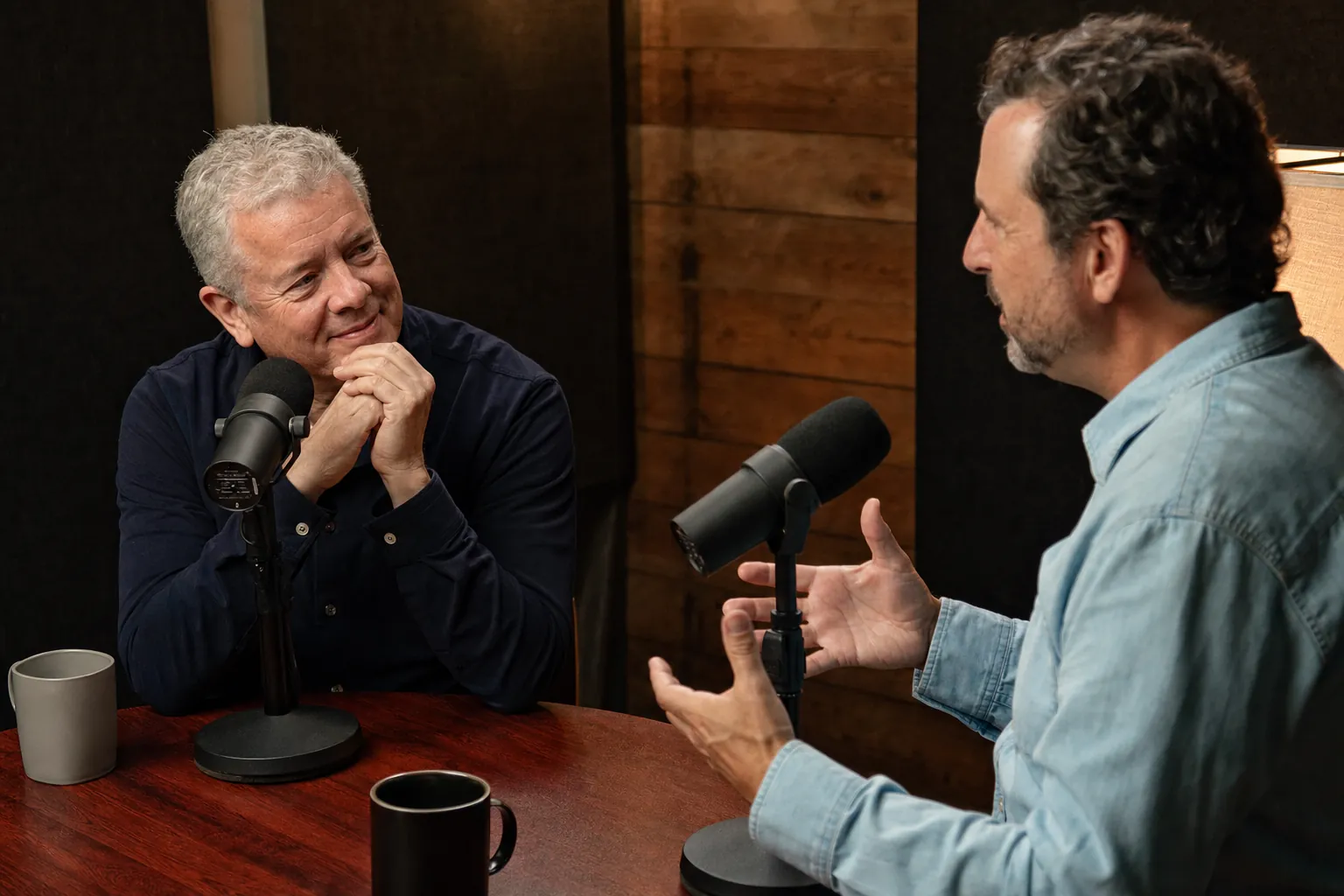
6. Give the technical side a little respect
You do not need to become an audio engineer before your interview. You do need to help the recording sound like two people who wanted to be there. Show up a few minutes early. Put your phone on silent. Wear headphones if the host asks. Keep a glass of water nearby. If you are recording remotely, find the quietest room you have and close the window before the leaf blower starts its solo.
Speak at a natural volume and stay close enough to the microphone that the host does not have to chase your voice around the room. You do not have to whisper into it like you are telling it a secret. Just avoid turning your head away every time you remember something funny. If you cough, need a moment or lose your place, say so. Most hosts would rather pause for five seconds than pretend nothing happened.
If you are on video, simple works. Wear something you feel comfortable in, sit where the light lets people see your face and do not worry about building a television set behind you. The story should still be doing most of the work.
7. Be honest about what you can and cannot discuss
A good guest is not somebody who gives away private information or turns every hard question into a confession. You are allowed to set boundaries. If there is a topic you do not want to discuss, tell the host before recording. If you are not sure about a date or detail, say you are not sure. A straight answer builds more trust than a polished guess.
This is especially helpful for business owners, musicians and people who speak on behalf of an organization. Do not promise outcomes you cannot deliver. Do not make up numbers because they sound better than the truth. Talk about the work, why it matters and the people it is for. A listener can tell the difference between enthusiasm and a sales pitch with the smoke machine turned up.
8. Leave listeners with one clear next step
Near the end of the conversation, a host may ask where people can find you or what they should do next. Make that answer easy. Give one clear place to go, not six web addresses and every social platform you have ever joined. If you have a local business, point people to the page where they can understand what you do. If you play music, point them to the next show or the place they can hear it. If you are sharing a community idea, give them one useful way to participate.
Then keep the conversation moving after it airs. Share the episode with the people who will honestly care about it. Thank the host. Answer a thoughtful message if someone sends one. A good appearance is not a magic sales button, and it should not be treated like one. It is a chance for the right people to hear a real story and decide they want to know more.
Bring the real version of your story to OMTS
OMTS is built for the stories that make a good table better: the business that started with a bad idea and a lucky break, the band that kept going when it would have been easier to quit, the local project that brought people together, or the moment in life that changed your point of view. You do not need a media kit. You need a reason to talk.
Start by watching the OMTS Podcast to get a feel for the conversation. Then, if you have something worth bringing to the table, use the podcast guest opportunity page to tell OMTS about it. Good stories do not have to be perfect. They just have to be real enough that somebody hears themselves in them.
Questions About Podcast Interviews
How do I prepare for a podcast interview?
Know who you are talking with, listen to a recent episode if one is available, choose two or three stories you could tell, and write down a few details that help you remember them. You do not need a script. You need enough preparation to be relaxed and present.
What should I talk about as a podcast guest?
Talk about the part of your experience that has a real beginning, turn or lesson. A business, band, project or life event becomes interesting when people hear what changed, what went wrong, what surprised you, and why it still matters.
How can I stop being nervous on a podcast?
A little nervousness is normal. Make the first few minutes easier by arriving early, having water nearby, taking a breath before you answer, and remembering that a conversation is not a performance review. Speak to the host, not to an imaginary crowd.
Should I bring notes to a podcast interview?
Yes, but keep them light. A short list of names, dates, stories or questions can jog your memory. Reading a full page of prepared remarks usually makes a guest sound less like themselves, which is the exact opposite of what listeners enjoy.