By Musk, Host, Old Men Talking Sh*t Podcast
If you have ever walked out of a small room after hearing a band that was better than it had any right to be, you already know why local music matters. It is not just the songs. It is the way a good set can turn a regular Friday into a story, get strangers talking at the bar and remind you that there are still places where people make something together in real time.
Supporting local musicians does not require acting like every show is a charity case. Good artists want real listeners, fair pay and a chance to build an audience that comes back because the music earned it. The best support is simple: show up when you can, spend directly when it makes sense, and pass along the name of an artist you think somebody else would genuinely enjoy.
1. Go to the show and make the room feel alive
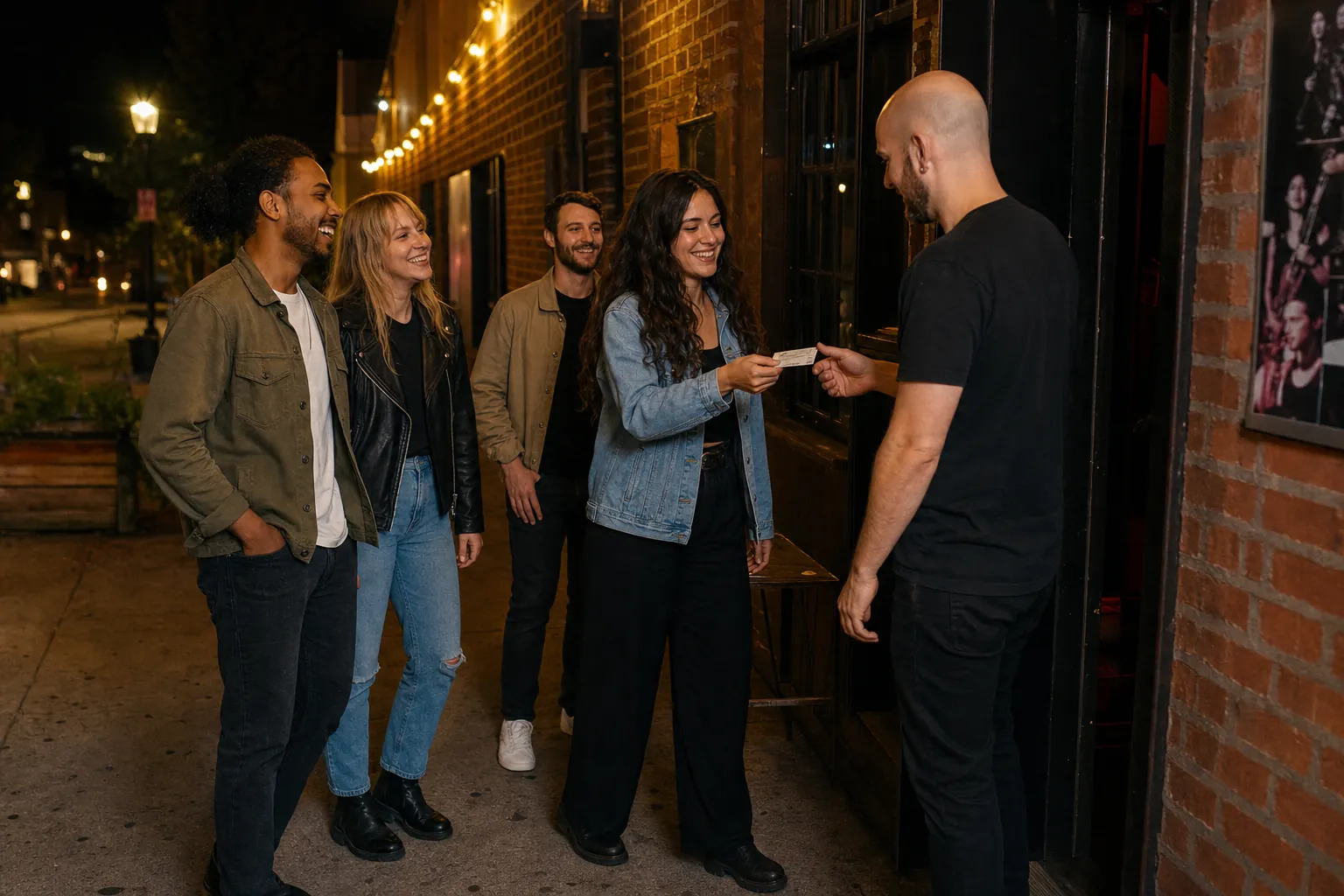
The most direct way to support a local musician is to be in the room. Buy the ticket if there is one, get there before the last song and stay long enough to hear what the artist is actually trying to do. A crowd of twenty people who are listening can mean more than a room of a hundred who are busy treating the music like wallpaper.
You do not have to become a professional nightlife coordinator. Pick one show a month, or one local music night you can put on the calendar before everything else crowds it out. Invite the friend who still talks about the last great guitarist they saw. Give yourselves a plan that includes dinner, a drink or a walk through town. A music night is easier to keep when it feels like a good evening out, not an assignment.
If you are unsure where to start, browse the bands and shows on Old Man Music. It is built for people who still want to discover a good song and a worthwhile room without having to pretend they are twenty-three.
2. Bring one person who will actually enjoy it
Every musician hears the vague promise: “I will tell everybody.” It is a nice thought, but it rarely puts anybody through the door. A better move is to think of one or two specific people. Your friend who still plays records on Saturday morning. Your coworker who knows every classic-rock guitar solo. Your neighbor who has been saying they need to get out more. Tell them why this particular show fits them.
Be concrete. “The singer has that old-school voice you like” works better than “They are awesome.” “It is an early set at a small place with seats” is useful for someone who is not interested in standing shoulder to shoulder until midnight. Specific invitations respect people's time, and they help the right listeners find the right artists.
It also makes the evening more fun for you. Live music is one of the easiest ways to bring people together because nobody has to invent a big reason to talk. There is a song playing, a room to notice and something to compare notes about afterward. That is exactly the kind of easy connection OMTS cares about in its Community Network.
3. Buy directly when you can
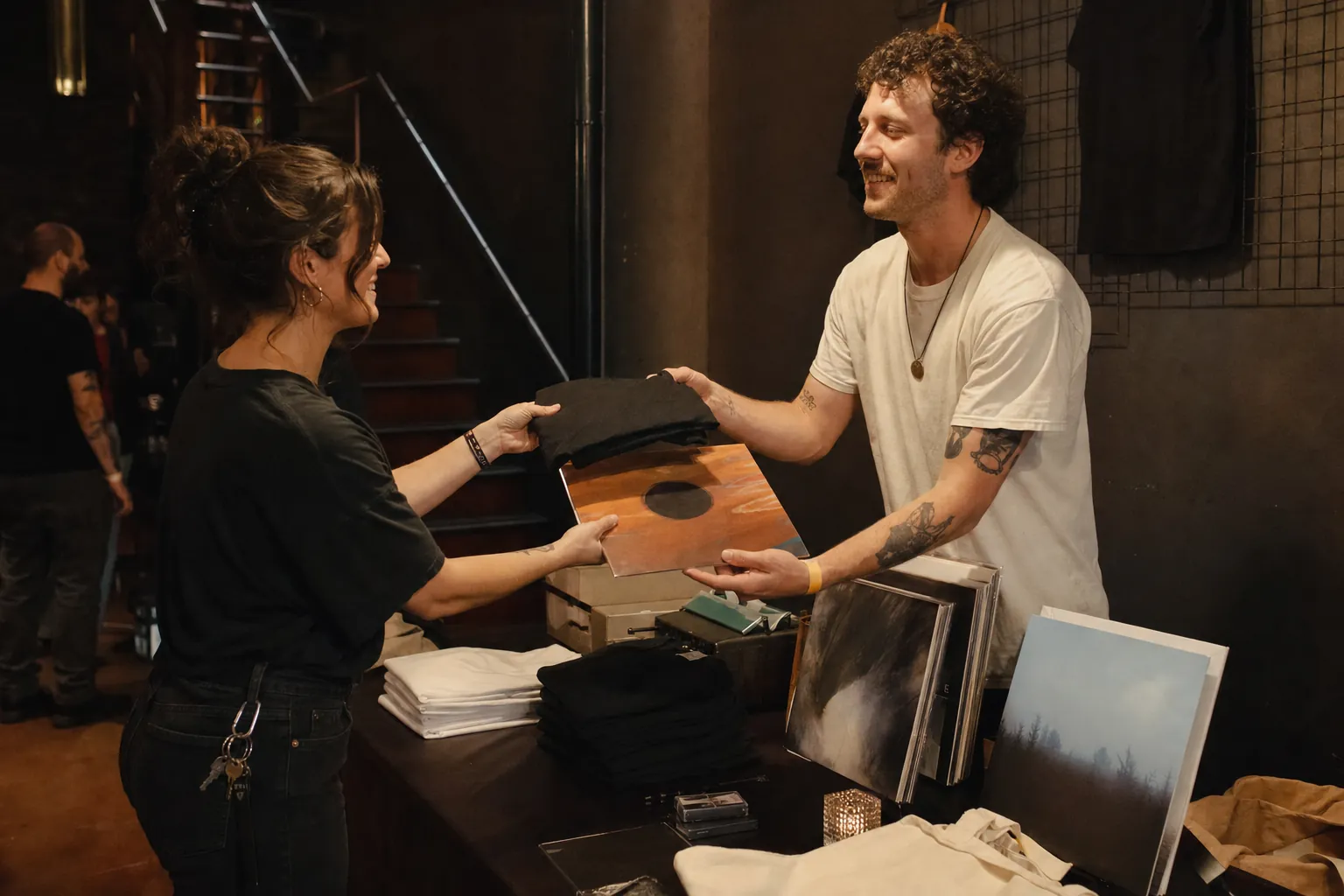
A ticket, a record, a shirt or a tip at the right moment can be a practical way to say, “Keep doing this.” The important word is practical. Buy what you will use and what your budget allows. The goal is not to come home with three shirts you will never wear because you felt guilty while the artist was standing there smiling.
Direct purchases usually have a clearer connection to the person making the music. If you liked the set, ask whether the artist has music for sale, a mailing list or an upcoming show. If you are buying something anyway, buying it at the venue or through the musician's own page can be a more personal choice than hoping your streaming habits somehow send a postcard.
This is not about turning every conversation into a transaction. A simple “Great set” counts too. But when you have the means, a direct purchase tells an artist that there is an audience for the work they are putting into rehearsals, travel, equipment and the next song.
Ask before assuming what helps most. A songwriter playing a listening room may care most about people showing up early and paying attention. A dance band may need a full floor after dinner. A newer artist may be trying to build an email list so people hear about the next date. There is no magic gesture that fits every musician. A quick question after the show can tell you whether buying music, following an event page, bringing friends or simply coming back next time would be most useful.
4. Share music like a friend, not a billboard
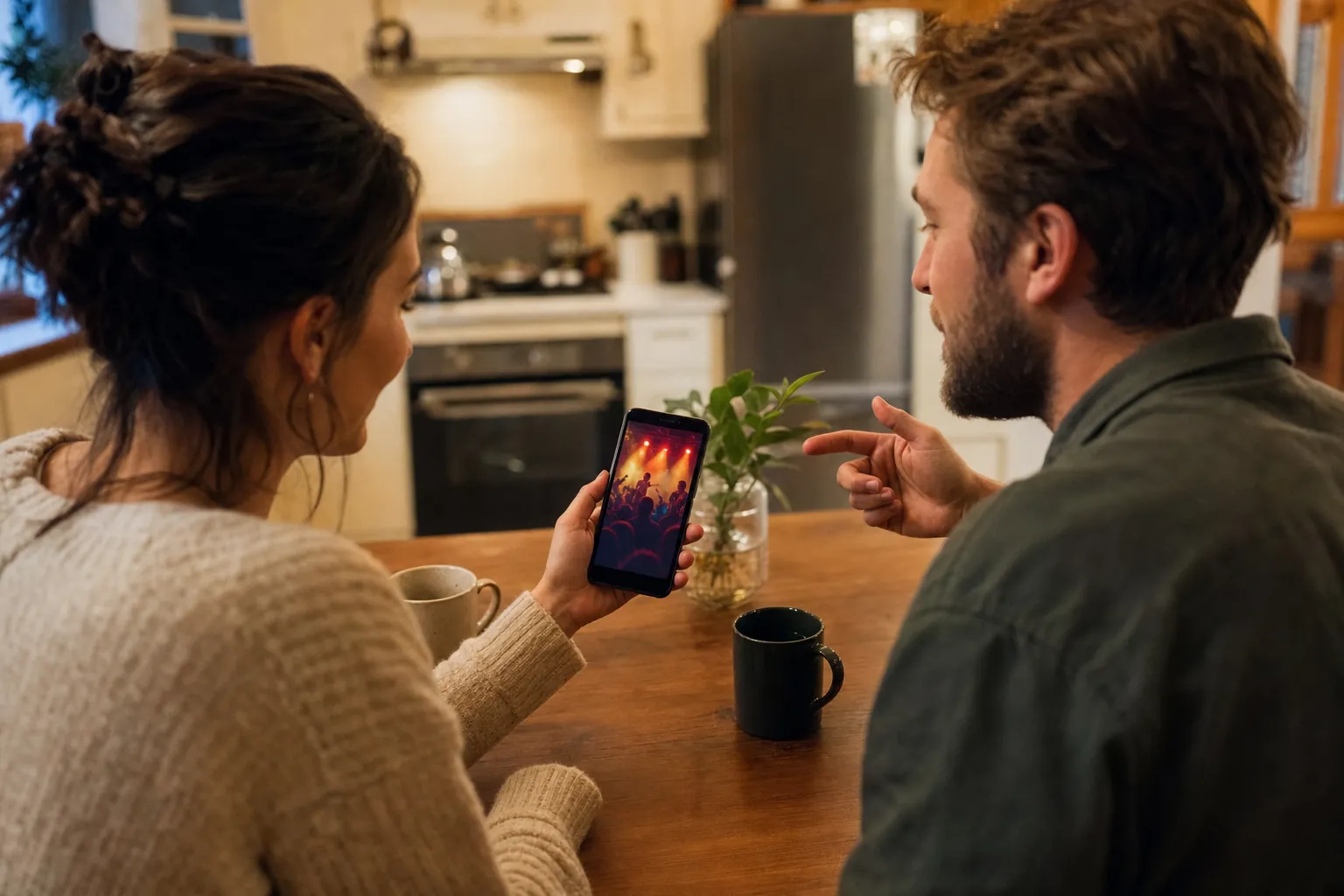
A useful recommendation is not a giant blast to every contact you have. It is a small note sent to the person who is likely to care. A text before the show. A song added to a playlist you already share. A quick post with a sentence about what caught your ear. The same common-sense advice appears in Omaha Performing Arts' guide to supporting local musicians: buy directly where you can, share their work and help people find the next performance.
What makes a recommendation useful is the detail. Mention the kind of music, the atmosphere or the reason it reminded you of something good. “The drummer is worth the trip” has a lot more life in it than “Go support local.” You are not asking people to do a favor. You are giving them a good idea for their own night out.
Keep an eye on what musicians ask people to share. Some want a venue flyer passed along. Some would rather you point people toward a song, an email list or a ticket page. Follow the artist's lead, and do not repost private details, set lists or photos from a room where the venue has asked people to put their phones away.
5. Respect the room and the people making the night happen
The band is not the only reason a local music scene survives. The sound person, bartender, door staff, booker, host and venue owner all have a hand in whether a show feels welcoming enough for people to return. Treat the room like somebody worked hard to make it possible. Arrive on time. Tip when the situation calls for it. Do not yell over a quiet set, block the view or spend the whole performance filming it through a phone screen.
Good manners are not a buzzkill. They make a small room better for everyone. If the artist is talking between songs, listen. If they are selling music afterward, give them space to talk with people who are interested. If a musician has set up a tip option, use it only if you want to and can afford to. The goal is to add to the night, not make it harder on the people carrying it.
This is also why it is worth supporting places that keep music on their calendar. A room that gives a local artist a real stage is doing more than filling a time slot. It is giving listeners another reason to leave the house, meet up with friends and keep a town from feeling like the only choices are work, errands and the couch.
6. Help musicians build the right kind of audience
Not every local musician is trying to become famous on the internet. Some are building a steady regional following. Some are writing their first original songs. Some are excellent players who want a few good rooms and an audience that listens. The support that helps is not always loud. It is consistent, honest and pointed toward people who will appreciate the same kind of music.
That means you do not need to oversell a band to every person you know. Do not promise somebody will love a heavy blues set when they only listen to quiet folk. Do not tag an artist in a photo that makes the room look empty. Do not pressure friends to buy tickets because you are trying to be helpful. Match the recommendation to the person, and let the music stand on its own legs.
When a band has earned your attention, tell them what landed. Maybe it was the tight rhythm section, a funny story between songs or the way a singer made an old cover feel brand new. Musicians hear plenty of vague compliments. Specific feedback is more memorable, and it gives them a clearer picture of what real listeners are taking home. It may even help them decide which songs to keep in the next set.
OMTS also gives musicians a path to be discovered by people who are already looking for music worth hearing. A band can use the feature your band invitation to share its story and music with the OMTS community. That is not a substitute for a great live set, but it can help a good artist find a few more people who are ready to listen.
7. Follow the music after the first good night
A local music scene gets interesting when you let it surprise you more than once. Follow the artist you liked. Watch for the next show. Try a different venue. Notice who else is on the bill. A great opener can become the reason you come back next time, and a band you did not expect can become the one you bring up at the next family cookout.
OMTS makes that easier through Old Man Music, where people can find artists who are keeping the music moving. Start with the Faster Things Band profile, then keep looking for a sound that gives you a reason to go out again. The best local music habit is not collecting names. It is finding a few artists and rooms you are genuinely glad to have in your life.
Keep the good nights coming
Supporting local musicians is not complicated. It is a ticket when you can swing it, a direct purchase when you want the music, a specific recommendation and a little respect for the room. Those choices put real listeners in front of artists who are working to make something worth hearing.
Start small this week. Look for one set, send one invitation or play one local artist for somebody who would enjoy it. Then keep the conversation going with the latest stories and episodes on the OMTS Podcast. Good music travels best when it has somewhere to go after the last song.
Questions About Supporting Local Musicians
What is the best way to support a local musician?
The best help is usually direct and specific. Go to a show when you can, bring someone who would enjoy it, buy music or merchandise directly from the artist, and tell people what you liked about the performance. The useful choice is the one that fits your budget and puts a real listener in the musician's orbit.
Can I support local musicians without spending money?
Yes. Share an upcoming show with friends who genuinely like that style of music, add the artist's songs to a playlist, follow their event updates, take a photo only where the venue allows it, and send a quick note after a show. A thoughtful recommendation can help an artist reach the next person who will actually turn up.
Is it better to buy music or merchandise from a local artist?
Both can help, but buying directly at a show or through the artist's own page is often the clearest way to support the work you enjoy. Pick what you will use. A record you play, a shirt you wear, or a ticket to the next set is better than buying something only because you feel obligated.
How do I find local musicians worth following?
Start with the places you already enjoy. Ask a venue about upcoming shows, follow a band after a good set, and look for community music calendars. OMTS also features bands and music stories through Old Man Music, which is a good place to find artists and pass along a recommendation.