By Baz, Old Men Talking Sh*t Podcast
The best part of a local community is rarely the sign out front. It is the people behind the counter, the regular who saves you a seat, the owner who asks how your family is doing and the neighbor you run into while picking up lunch. A good local business gives those ordinary moments somewhere to happen.
That is why a neighborhood restaurant, market, repair shop, barbershop or music room can matter far beyond what it sells. It becomes a place where people trade recommendations, hear about a fundraiser, make a plan for Friday night or simply feel less like they are doing life by themselves. You do not have to make every purchase local or pretend every small business is perfect. But when a local place earns your trust, supporting it can strengthen the whole web of people around it.
Community needs places where people can keep running into one another
Friendship and belonging are not built only at big events. More often, they grow through repeat encounters. You see the same person at the cafe on Tuesday, at a local show on Friday and again at the market on Saturday. The first conversation is small. The next one is easier. Eventually, somebody knows your name and asks a real question instead of offering the weather report.
Local businesses make those repeat encounters possible because they give a community a rhythm. They are not just a backdrop. They are the dependable places woven into people's routines. A shop that welcomes conversation, a diner that stays open after a game or a venue that hosts local music can turn a simple stop into a reason to stay a little longer.
This is especially valuable when people are feeling disconnected. It is easier to join a community when there is something practical to do and somewhere relaxed to be. You can ask about a menu, browse a shelf, listen to a band or get advice about a repair. The activity gives the conversation a natural starting point, which is a lot less awkward than walking into a room and hoping to become interesting on command.
Good local businesses make a town more useful
Community is not only about warm feelings. It is about whether people can get help, find a service and solve ordinary problems without being passed through a phone tree. Local owners often know what their customers need because they hear the questions every day. They know which contractor has a good reputation, where to find a last-minute gift and who might be able to help when an event needs an extra hand.
That local knowledge is useful. It saves time and gives people more confidence in a choice. The U.S. Small Business Administration reports that small businesses make up 99.9% of American businesses and employ 62.3 million people. Those figures are national, but their local meaning is easy to recognize: a first job for a teenager, dependable work for a neighbor and a place that keeps a main street from feeling like a row of empty windows.
A town with a healthy mix of independent businesses also gives people more choice. One shop may be better for advice, another for a quick purchase and another for the kind of service that makes a difficult task feel manageable. That variety gives residents practical reasons to stay close to home, rather than treating their own town as a place they only sleep in between errands elsewhere.
This is why the best local business districts feel different from a row of places that could be anywhere. They reflect the people who live nearby. The bakery knows what sells before a school concert. The neighborhood shop notices when a customer needs a little extra help. The local venue gives musicians and listeners a room of their own. Those details do not make a town perfect, but they do make it feel lived in and cared for.
Personal service is a form of community care
Nobody expects a local business owner to be a hero for handing over a coffee or fixing a leaky sink. But there is a real difference between being processed and being helped. Clear answers, fair prices, a returned phone call and the patience to explain an option can leave a person feeling respected. That feeling travels.
When a business treats people well, customers tell stories about it. They mention the person who made a hard decision easier, the place that welcomed their visiting family or the owner who fixed a mistake without making a fuss. Those stories create trust before the next customer ever walks in the door. They are also why a recommendation from a neighbor can mean more than an advertisement with a big budget.
Good service has to be earned. Supporting local does not mean excusing poor work, unclear prices or disrespect. It means giving worthwhile businesses a fair shot when they meet the need, and letting them know what they got right. A healthy community is not built on blind loyalty. It is built on fair exchange and people who take responsibility when something goes wrong.
Events turn customers into neighbors
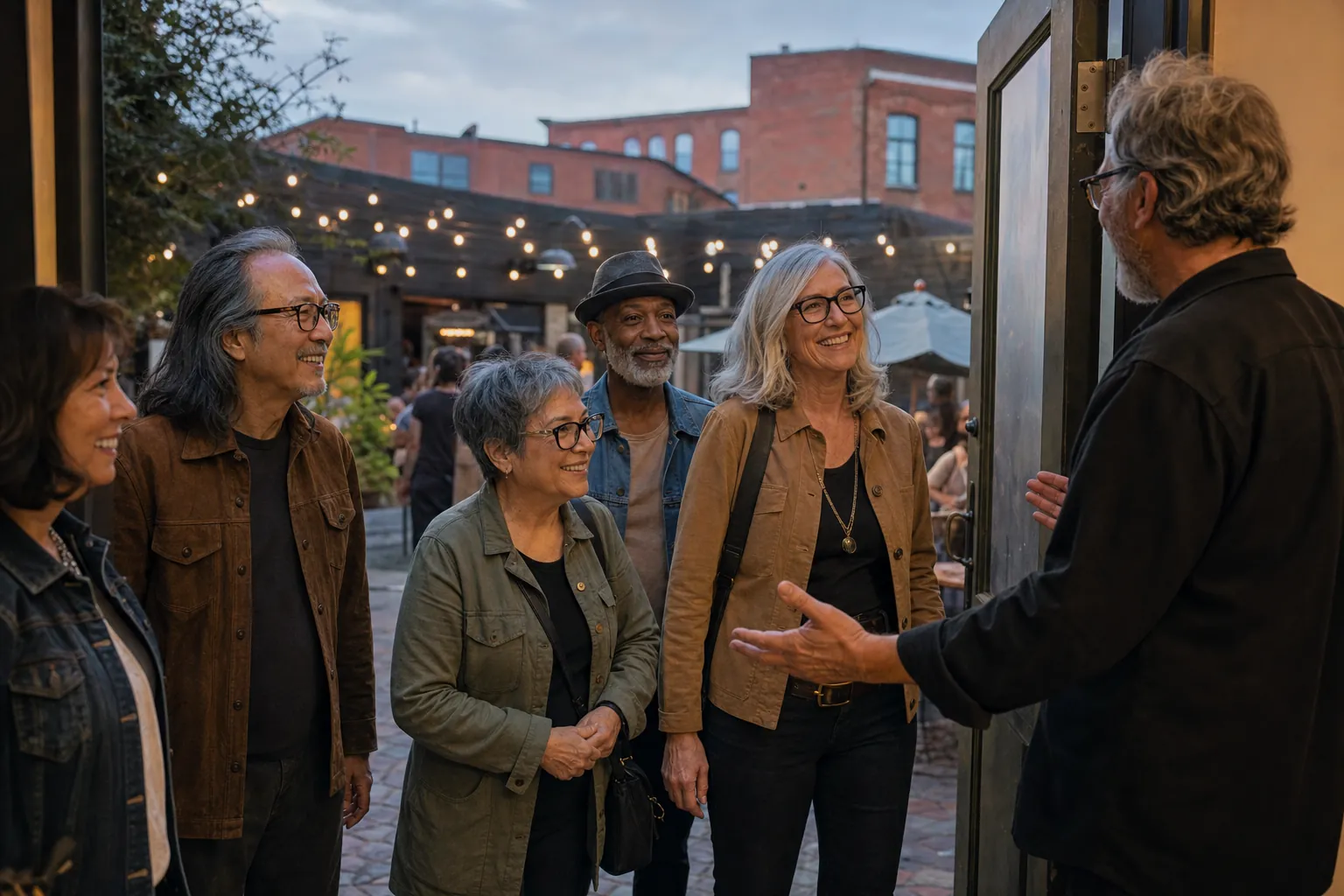
The local places people remember are often the ones that give them a reason to gather. That might be live music, a food drive, a school fundraiser, a holiday open house, a charity raffle or a simple table outside where people linger and talk. The event does not need to be grand. It only needs to feel real and give people a reason to show up.
A small business can help create that feeling by partnering with a local group, sharing an event that fits its customers or making its space more welcoming to people who are already doing good work. The Better Business Bureau points to local giving, partnerships and community involvement as practical ways businesses can contribute to the places that support them. The useful part is not the logo on a banner. It is the chance for people to meet, contribute and come back.
Customers have a role here too. Invite someone who would enjoy the event. Bring a friend to hear a local band. Share a fundraiser with a few words about why it matters. Arrive with the intention to stay for a conversation, not just grab what you need and disappear. One person showing up can make a room feel more alive, and a room that feels alive gives people a reason to return.
The trick is to make the invitation fit the people who are likely to come. A quiet coffee morning may do more for one neighborhood than a crowded festival. A small fundraiser with a clear purpose can be more meaningful than a flashy promotion. When a business listens to what its customers care about, it can create occasions that feel like they belong to the community instead of being dropped into it.
Local recommendations are a community superpower
Most people have a list in their head: the mechanic who was straight with them, the restaurant that handled a big family table, the market with a helpful staff member, the local professional who followed through. Passing that information along is one of the easiest ways to make a community stronger. It connects someone's need to someone else's useful work.
Be specific when you recommend a place. “They were great” is kind, but “they explained the choices, stuck to the price and called me back” gives the next person something they can use. It also respects your friend's time. You are not asking them to support a business out of pity. You are telling them why it might make their day easier.
Specific recommendations also help good businesses grow the right way. The owner reaches people who are likely to value what they actually do, and the new customer arrives with a clearer expectation. That is a better foundation than hype. It leads to stronger relationships, more return visits and a reputation built on real experiences.
Community building works both ways
Local businesses cannot carry a community by themselves. They need customers who pay attention, residents who share the good places and people willing to participate when there is something worth joining. In return, businesses need to keep earning that support through honest service, real value and a willingness to be part of the neighborhood, not just sell into it.
The same goes for the people who visit. Say hello. Ask a question. Thank someone who helped. Give useful feedback when you have it. If a business makes a mistake, a direct conversation can sometimes do more good than quietly writing it off. How a local owner responds tells you a lot, and it gives both sides the chance to build trust instead of losing it over a fixable problem.
Community does not require everyone to agree on everything. A good local place can welcome different generations, opinions and stories, as long as people treat one another decently. That shared space gives a town a way to feel connected without asking anyone to be the same as everybody else. It gives newcomers a low-pressure way in, and regulars a chance to make the room feel welcoming, one ordinary visit at a time. That is a modest habit, but it makes a real difference.
No town needs every resident to become a tireless volunteer or every business owner to sponsor something every weekend. Community building is usually smaller than that. It is a return visit. A good review. A helpful introduction. A seat saved for someone new. A local choice made because the business has earned it. Those small acts stack up.

How OMTS helps people find the places worth knowing
OMTS is built around the idea that good stories, good music and good local places belong in the same conversation. The Trusted Businesses directory helps people discover community-minded businesses that are worth a closer look. The OMTS Community Network gives people another path to meet around the things they enjoy.
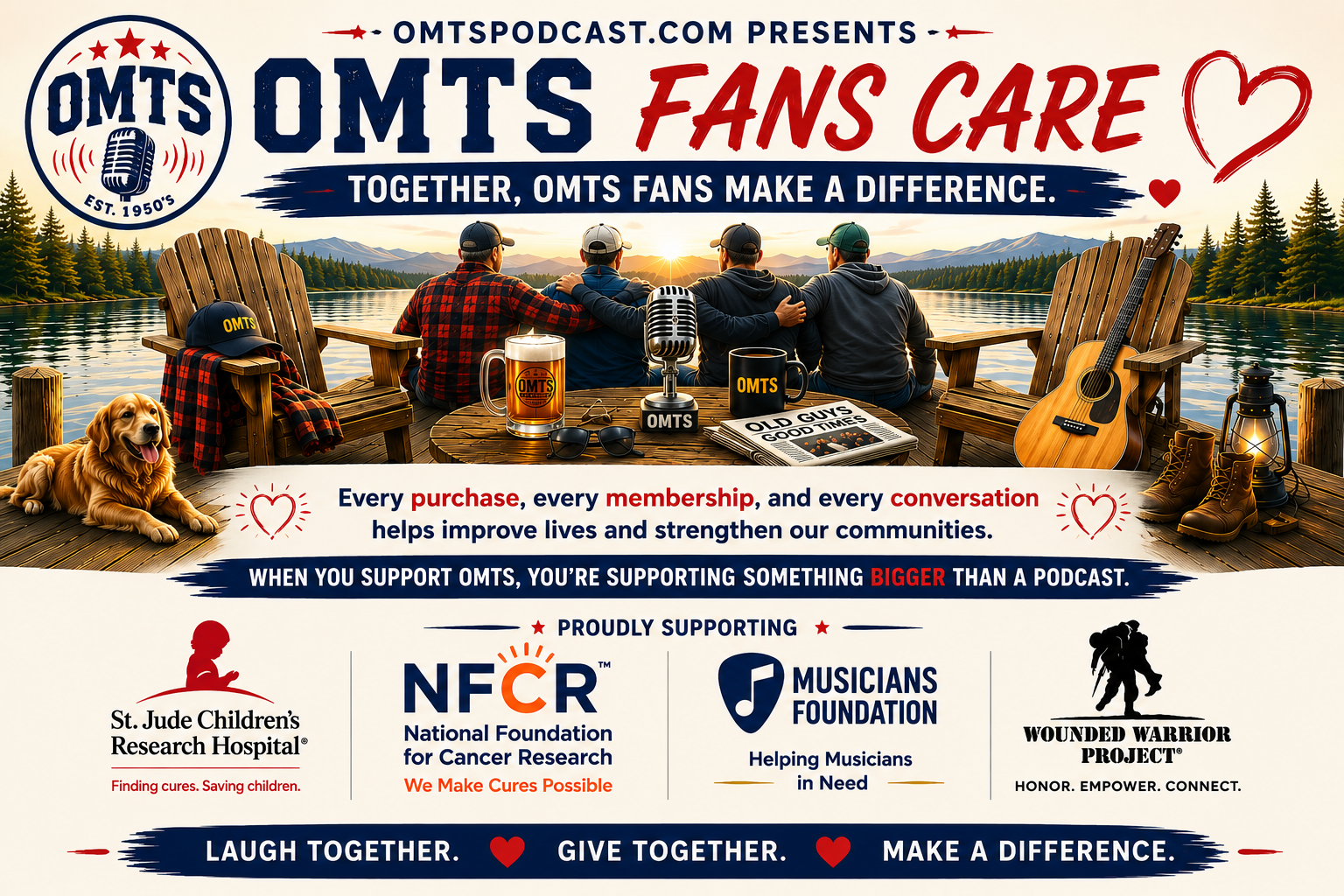
If you want a reason to get out and share an evening with other people, Old Man Music keeps the conversation moving through local shows and the stories around them. And OMTS Fans Care highlights ways the community can support meaningful causes. None of it works without people choosing to show up, but that is where the good stuff starts.
Start close to home this week. Visit the place that has earned your trust. Mention it to someone who could use it. Bring a friend to the next event. Local businesses are often the best part of a community because they give us a place to do more than buy something. They give us somewhere to belong.
Frequently asked questions
How do local businesses build community?
Local businesses build community by giving people useful, welcoming places to return to. A familiar cafe, shop, venue or service provider can create regular conversations, pass along local news, support events and make it easier for neighbors to recommend one another.
Why are local businesses important to a town?
They make a town more useful and more personal. Local businesses can provide jobs, services, gathering places and the kind of practical knowledge that comes from serving the same people over time. They also give residents more reasons to spend time close to home.
How can I help a local business strengthen the community?
Start with the businesses that have earned your trust. Return when the experience is good, give a specific recommendation, leave an honest review, bring a friend to an event or introduce a business owner to a local group that could benefit from knowing them.
Do local businesses have to sponsor events to be community minded?
No. Sponsoring an event can help, but it is not the only way. A business can show community spirit through fair service, helpful information, partnerships, a welcoming atmosphere and everyday support for the people who walk through its door.