
By Baz, Co-Host, Old Men Talking Sh*t Podcast
Finding local live music should not require a detective badge, three different passwords and a corkboard full of red string. Yet plenty of good shows slip by because we hear about them after the fact, usually from somebody who says, "You would have loved it."
The good news is that a little routine fixes most of that. You do not need to chase every concert in town. You need a short list of places, a few artists or promoters to follow and a simple habit of checking what is happening before the weekend fills itself up.
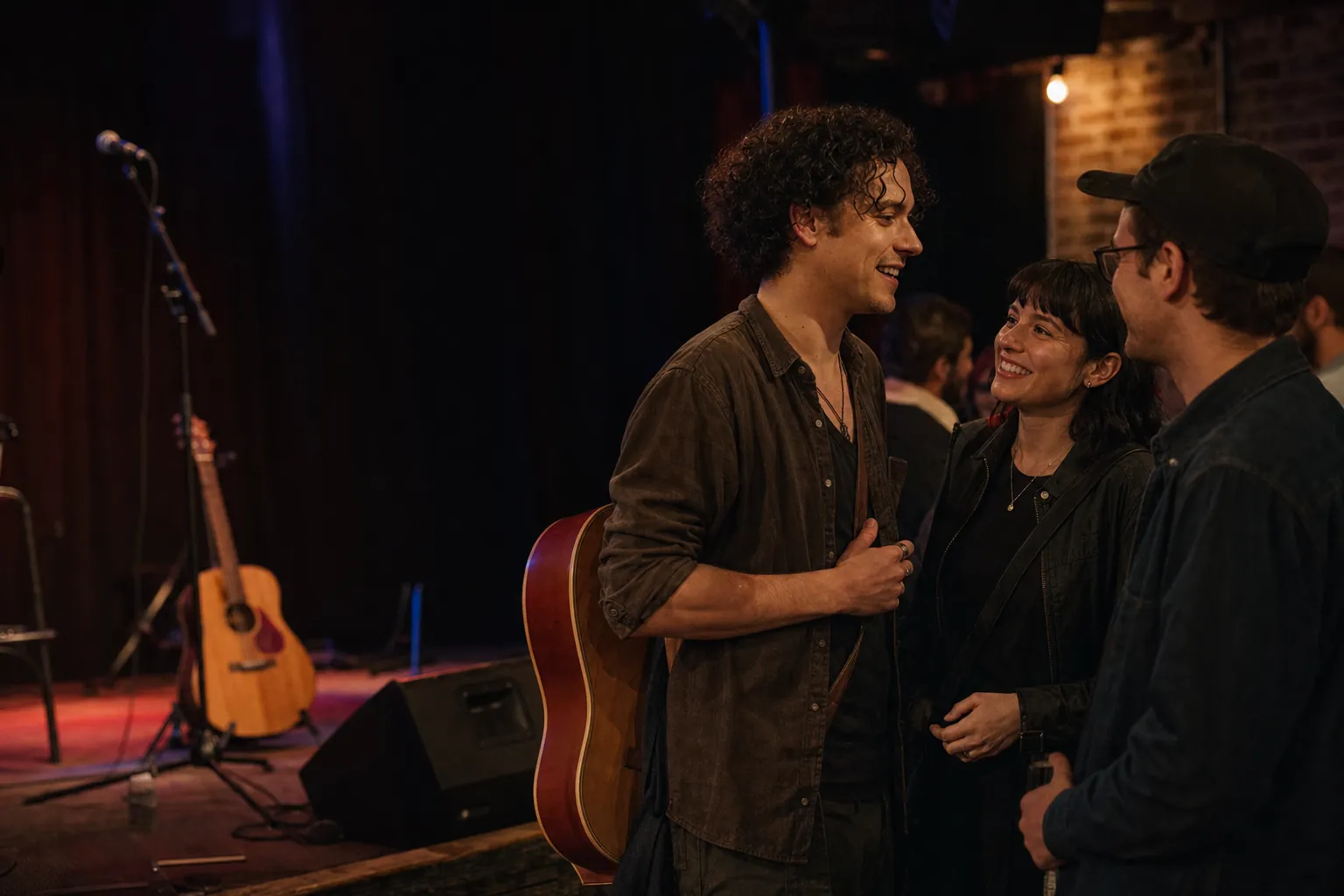
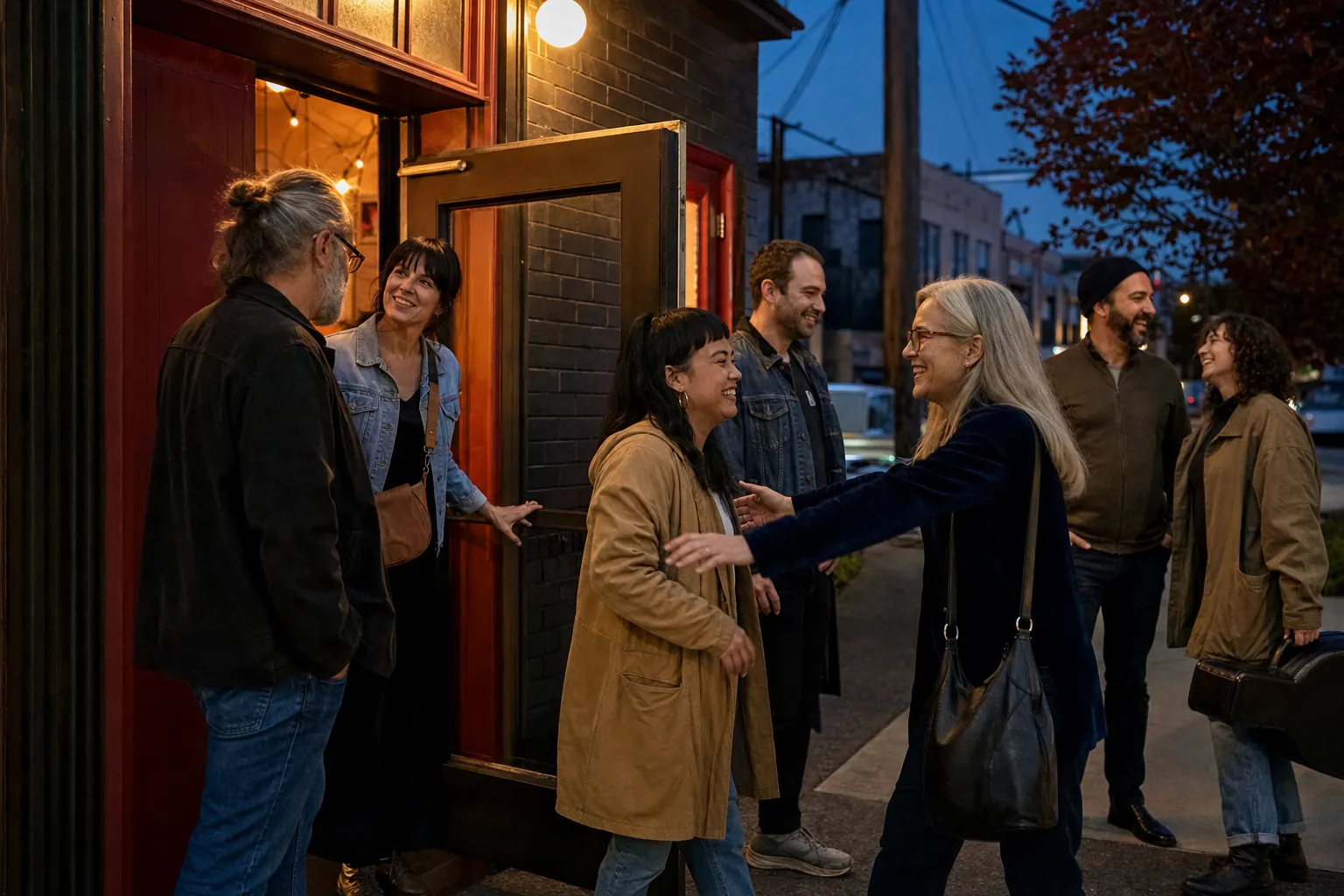
Local music is not only about the song. It is a reason to meet a friend, try a neighborhood place, hear a story from the stage and end the night with something better to talk about than the weather. Here is how to find more of it without making it complicated.
Start with places, not a giant search
The fastest way to find local live music is to pick three nearby places that already feel like your kind of night. That may be a small club, a restaurant with a real stage, a brewery, a community theater, a park series or a veterans hall that brings in bands on weekends.
Look for rooms with a clear calendar and a history of booking the styles you enjoy. A venue that regularly hosts blues, classic rock, acoustic sets, tribute bands or singer-songwriters is easier to trust than a random search result that might be a DJ night, a karaoke contest or a six-hour festival you never intended to attend.
Once you have a few contenders, visit their own websites and social pages. A venue will usually post its schedule where it controls the details. That matters because start times, cover charges and last minute changes are the things that can turn a good plan into a very long drive for a dark room.

Use concert calendars as a backup singer
Venue calendars are the lead singer. Concert-discovery tools are the backup singer who helps you hear about the show you might otherwise miss. Bandsintown lets people browse local events, venues and artists, then receive alerts for artists they follow. Songkick works in a similar way, with nearby concerts and artist tracking.
You do not need to hand either service your entire life story. Follow a few artists you already know, set your location accurately and see what turns up. One favorite band can lead you to a room you did not know existed, and that room can lead you to five more names worth remembering.
General event calendars can help too. Eventbrite lists local events by place and date, which is useful for outdoor series, fundraisers and community shows that do not always appear in the usual music listings. Treat these services as a way to scan the neighborhood, then confirm the details with the venue or artist before you head out.
Follow the people who actually make the night happen
Every good local scene has a few people who keep the wheels on. It might be a venue booker, a community arts group, a radio host, a local promoter or the band that always seems to know who is playing next. Follow the people who put the calendar together, not only the biggest names on it.
Pay attention to posts that name openers, support acts and future dates. Those are not throwaway details. An opening band may be your next favorite group, and a promoter who books a good Thursday show is likely to have another good one in two weeks.
This is also the part where a little old-fashioned conversation beats an algorithm. Ask the bartender, the person running the door or the musicians packing up where else they like to play. Do not corner somebody during load-out like you are negotiating a record deal. Just ask a normal question. People who love music usually enjoy pointing another listener toward a good room.

Build a map you can actually use
A useful music map is small enough to remember. Make a note on your phone, on the kitchen calendar or wherever you keep the things that keep your week moving. Put the names of your three reliable venues at the top. Under each one, add the day of the week they usually post events, the kind of music you have enjoyed there and one friend who might say yes to going.
Then add a few wider options. Your town's parks department, arts council, library, downtown association and local radio station may all share seasonal concert series. Those events are often easier on parking, earlier in the evening and built for people who want to hear music without treating it like a mission. They also make good first stops if somebody in your group is not ready for a packed club or a late finish.
The map does not need to be perfect. It needs to be more useful than staring at a blank Friday night and asking the same old question: "What is there to do around here?" Once you have the places, you can rotate through them. One week might be a familiar room. The next could be a free outdoor set or a restaurant where the band starts before bedtime becomes a negotiation.
Pick shows by the kind of night you want
Not every show has to be a big night out. Sometimes you want a loud rock band and a room full of energy. Other times you want dinner, conversation and an acoustic set that lets you hear both the singer and the person across the table. Knowing what kind of night you want makes the search faster.
Give yourself a few simple choices: a band you already know, a new band in a trusted room, a community concert, or a music night where the main goal is spending time with somebody you like. That last one counts. You do not need a working knowledge of every guitar player on stage to enjoy getting out together.
If you are trying a venue for the first time, go early. You will find the door, parking and seating without the rush. You can get a feel for the room before it fills up. And if the music is not your thing, you have still had a night out and learned something useful for next time. That is much better than writing off live music because one random Tuesday did not go exactly as planned.
Make one good show easier to repeat
A single great night does not need to remain a lucky accident. When you find a venue or band you enjoy, make it part of your routine. Add the venue calendar to your bookmarks. Follow the band. Put the next show on the calendar while you are still standing there saying how good the guitar solo was.
Small repeatable plans work better than waiting for a perfect occasion. Decide that the first Friday of the month is music night, or pick one person who is always game for a low-key show. You do not need to buy tickets to every event. You only need to make it easier to say yes when a good one lands in front of you.
A shared night out will not solve every lonely stretch or make a busy week disappear. It can, however, give you a recurring place to see familiar faces, bring a friend and be part of something happening in the same room. Those small experiences have a way of becoming the plans people actually keep.
Know what to check before you leave
A little planning keeps the night fun. Before you go, confirm the basics: the exact date, start time, where to park, whether there is a cover charge, whether tickets are needed and whether the room is standing only. If you are bringing a friend, share those details before one of you is already halfway there in the wrong shoes.
It also helps to listen to one song or watch one short clip from a band you do not know. You are not studying for an exam. You are simply giving yourself a hook. Knowing a little about the style can make the first few songs feel familiar instead of like you walked into somebody else's rehearsal.
And leave room for the unexpected. The best local shows often come with a surprise guest, a friend you did not expect to see, or a band that is much better in a small room than it ever sounded through a phone speaker. That is the whole point.

Support the room and the musicians while you are there
If there is a cover charge, pay it without acting like you are financing a stadium tour. Buy directly from the band when you can. Follow them, share a specific recommendation and tell a friend where they can hear them next. Small venues and working musicians notice those choices.
The same goes for the room itself. Order something if it is a restaurant or bar. Be decent to the staff. Let the band play instead of holding a full-volume meeting at the table closest to the speakers. Good crowds help good venues keep booking music, which gives everyone another place to gather next month.
There is no need to be precious about it. Take a photo for yourself, but do not spend the whole night recording somebody else's set. If you loved a song, say so after the show. If you did not, keep your review of the evening kind and specific. The people in the room are trying to make something happen, and that is worth meeting with a little grace.
For more ways to make a real difference, read our guide on supporting local musicians. It covers the practical things that matter beyond buying a ticket.
How OMTS helps you stay close to the music
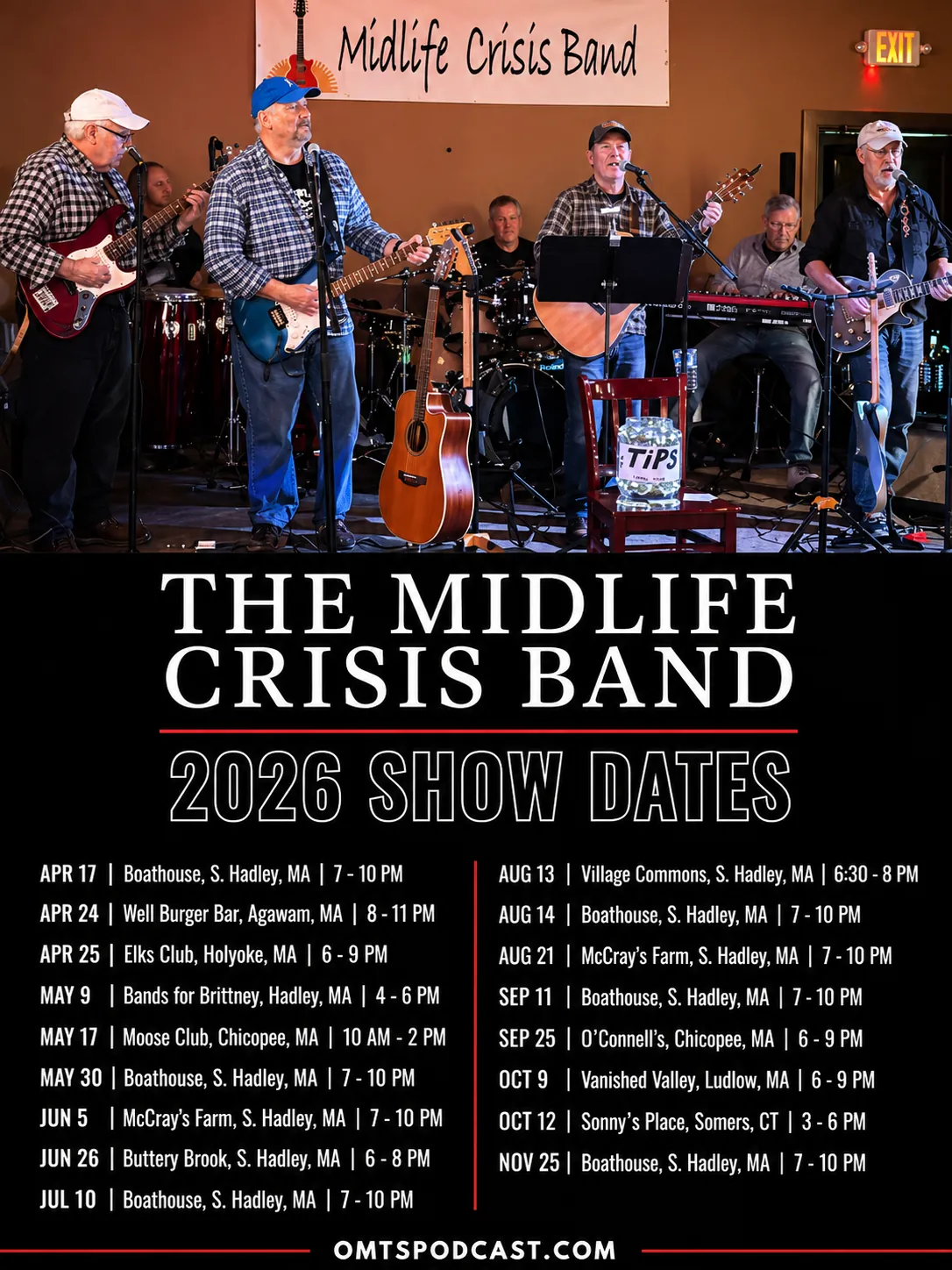
OMTS is built for people who still believe a good song, a good story and a good room are worth making time for. Our Old Man Music pages introduce real artists and bands, while the Live Music Community page is a starting point for people who want more reasons to get out and hear something live.
Continue the conversation: Put on the latest OMTS Podcast while you plan the next show. If you know a band with a story worth sharing, send them to Feature Your Band. We are always glad to hear about people keeping live music moving.
Start small this week. Pick one room. Look at its calendar. Text one person. That is usually all it takes to turn "we should do something" into a night you will still be talking about next month.
Frequently asked questions
What is the easiest way to find live music near me?
Start with three nearby venues you would actually enjoy visiting, then follow their event calendars and social pages. Add one concert-discovery service and follow a few bands you already like. That combination catches most shows without making the search feel like a part-time job.
How far ahead should I look for local live music?
Check the next two to four weeks. A short window is long enough to plan a night out but close enough that schedules are less likely to change. It also helps to look again early in the week, because many venues announce weekend shows a few days before they happen.
Do I need to know the band before I go?
Not at all. A familiar venue, a genre you usually enjoy, or a friend who is up for a night out is enough. Smaller rooms are a great place to take a chance because you can hear a new artist without turning the evening into a major production.
How can I support local musicians after a show?
Show up on time, pay the cover when there is one, buy something directly from the artist when you can, follow the band, and tell a friend about a specific performance you enjoyed. Those actions help musicians and venues more than vague praise ever will.